Whether you are buying a home, selling one, or simply want to understand the condition of your plumbing after years in the same house, a professional plumbing inspection gives you an accurate picture of what is working, what is aging, and what needs attention. For many homeowners in Moreno Valley, a plumbing inspection is the first time anyone has taken a systematic look at systems that have been running quietly — and sometimes quietly deteriorating — for years.
A thorough inspection covers visible fixtures, water pressure, drainage, the water heater, supply and drain line condition, and often includes a sewer camera run for older properties. The process typically takes two to three hours for an average-sized home and generates a written report you can use for budgeting, negotiations, or simply peace of mind. Call Moreno Valley Plumbing Pros at (207) 419-2600 to schedule a comprehensive plumbing inspection.
Why a Plumbing Inspection Is Worth the Investment
Plumbing problems have a way of hiding. A pinhole leak inside a wall can drip for months before it causes visible water staining. A sewer line developing root intrusion may still drain adequately — until it suddenly does not. A water heater approaching the end of its life may still produce hot water right up until the day it fails completely. Inspections find these problems while they are still manageable rather than urgent.
For home buyers in Moreno Valley, a plumbing inspection before closing is strongly advisable, especially for homes built before 1990. The inspection report can reveal issues that affect your offer price or that you can require the seller to address before transfer. For existing homeowners, an inspection every few years — or before a major renovation — helps you make informed decisions about maintenance spending.
What Gets Checked During a Plumbing Inspection
A licensed plumber conducting an inspection will systematically evaluate every accessible component of your plumbing system. This begins with water pressure testing at multiple points — healthy residential pressure in Moreno Valley typically falls between 40 and 80 psi, and readings outside that range indicate either a failing pressure regulator or a supply line problem. Each fixture is tested for flow rate, proper drain speed, and correct hot and cold orientation.
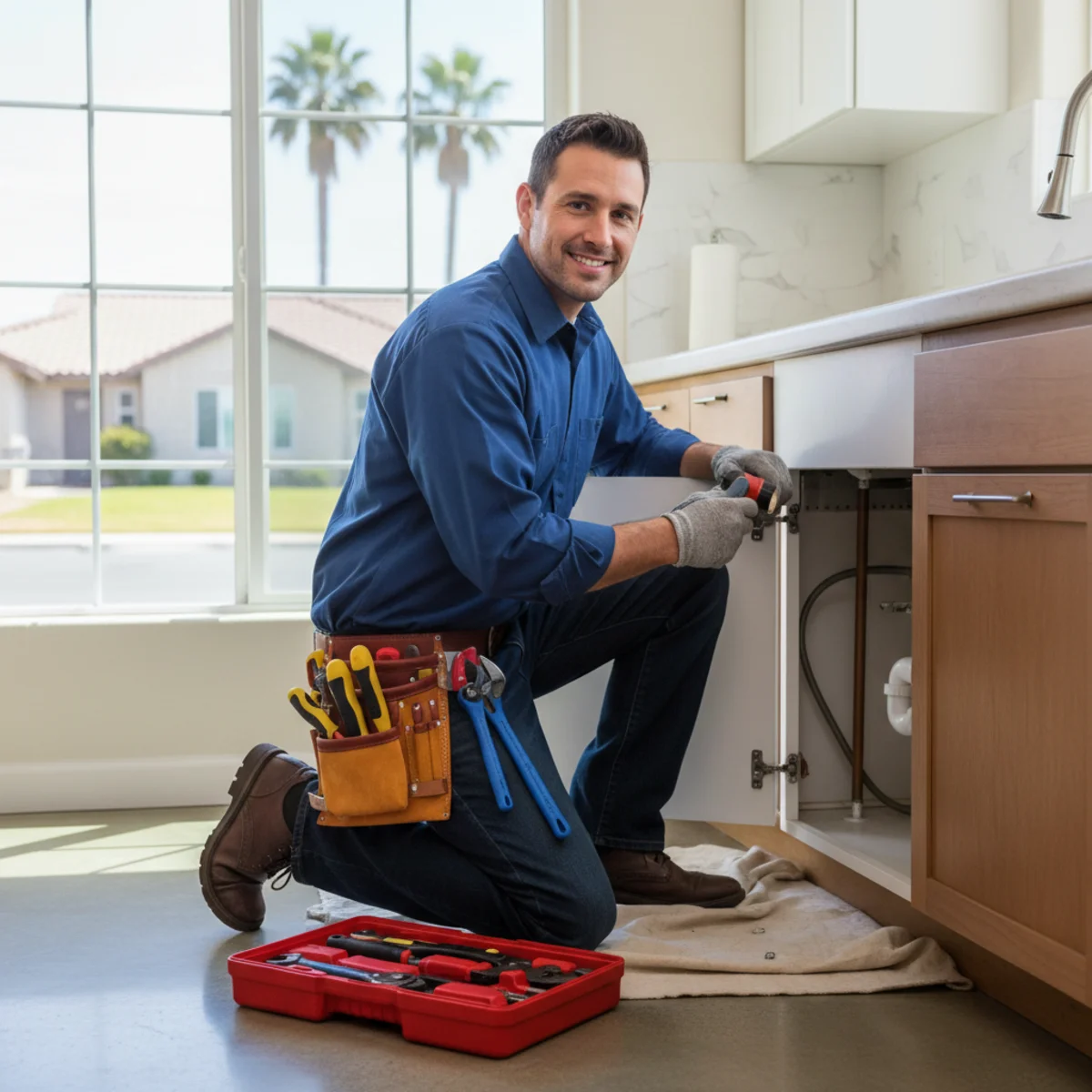
Shut-off valves throughout the home are operated to verify they turn freely and seal completely. The water heater is evaluated for age, condition, proper pressure relief valve function, and signs of corrosion or sediment accumulation. Supply lines under sinks and behind toilets are checked for visible deterioration, corrosion at fittings, and proper material. Accessible sections of pipe — in garages, utility closets, and crawl spaces — are inspected for rust, scale, joint leaks, and improper repairs.
- Water pressure at multiple points
- Flow and drainage at all fixtures
- Condition of all accessible supply and drain lines
- Water heater age, condition, and safety device function
- Shut-off valve operation at fixtures and main
- Visible pipe material identification (galvanized, copper, PEX, polybutylene)
- Any active or past signs of leakage
The Sewer Camera Component
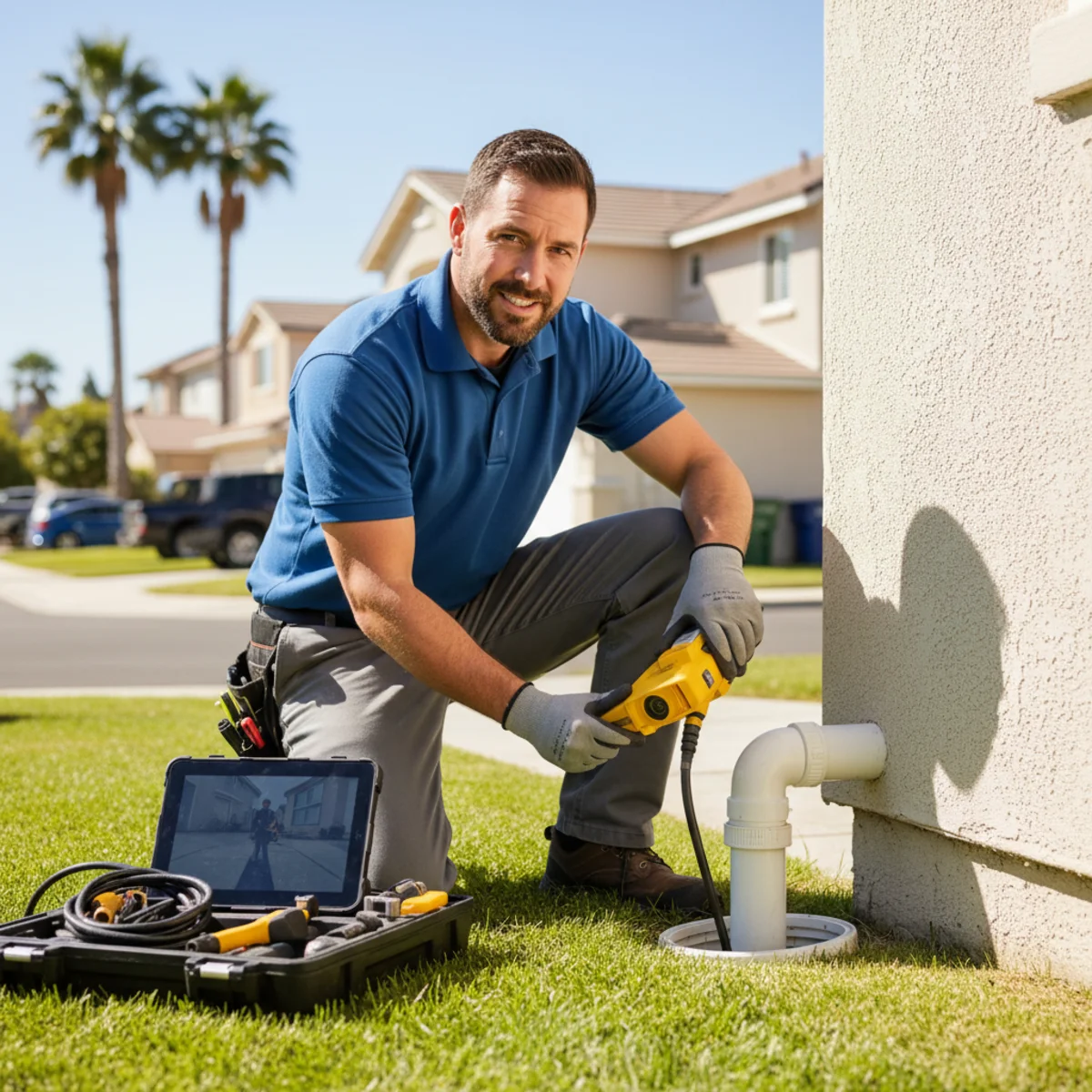
For homes more than 20 to 25 years old, a sewer camera inspection is highly recommended as part of the overall plumbing assessment. A small, waterproof camera is fed through a clean-out access point and travels the length of your sewer lateral — from the house to the connection with the city main. The camera transmits real-time video that the plumber reviews and records.
In Moreno Valley's older neighborhoods, cameras commonly reveal tree root intrusion through clay pipe joints, hairline cracks in cast iron, belly sections where pipes have sagged out of slope, and accumulated grease or scale. None of these issues are visible from above ground, and none of them announce themselves obviously until drainage backs up completely. The sewer camera turns an invisible system into a documented one.
Leak Detection as Part of the Inspection
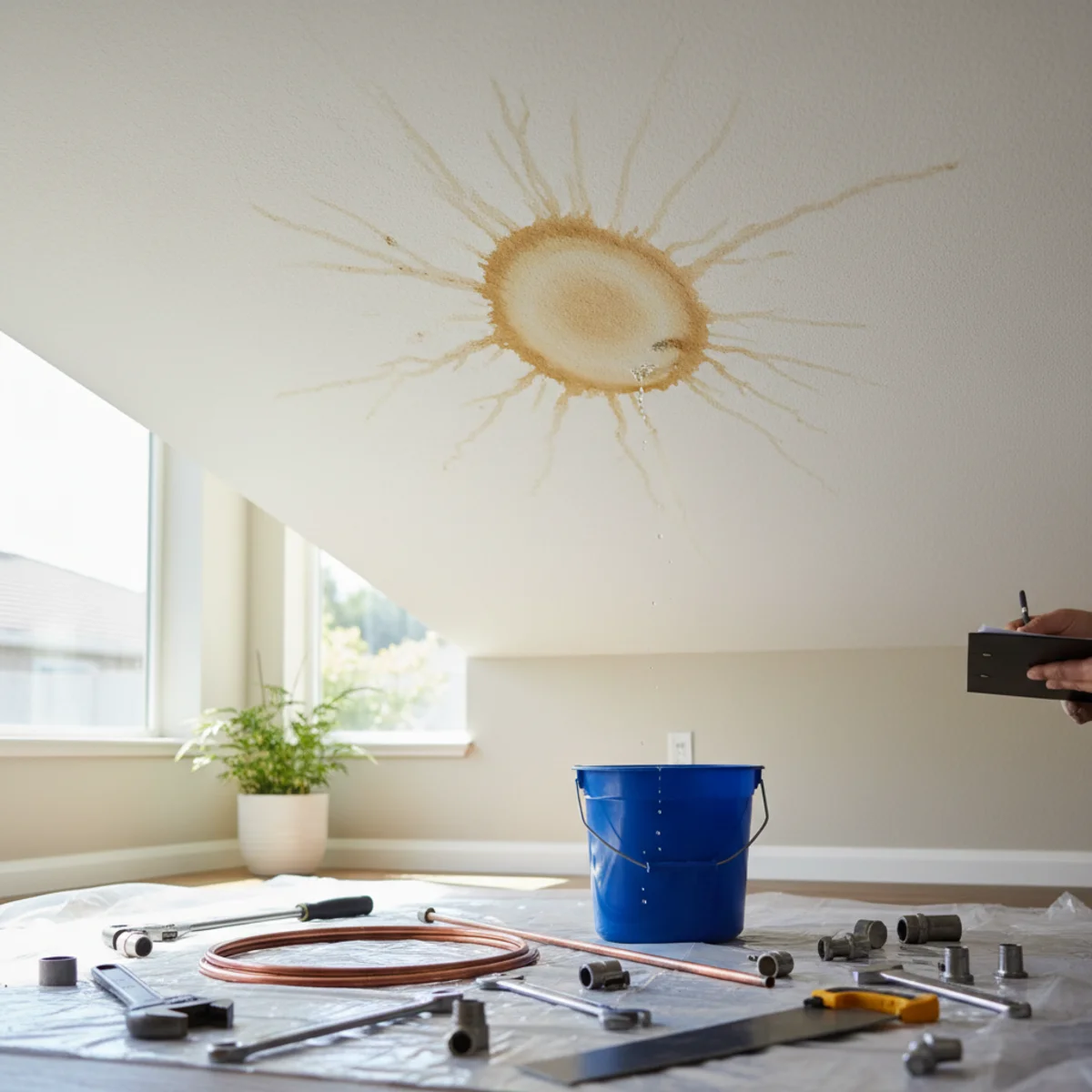
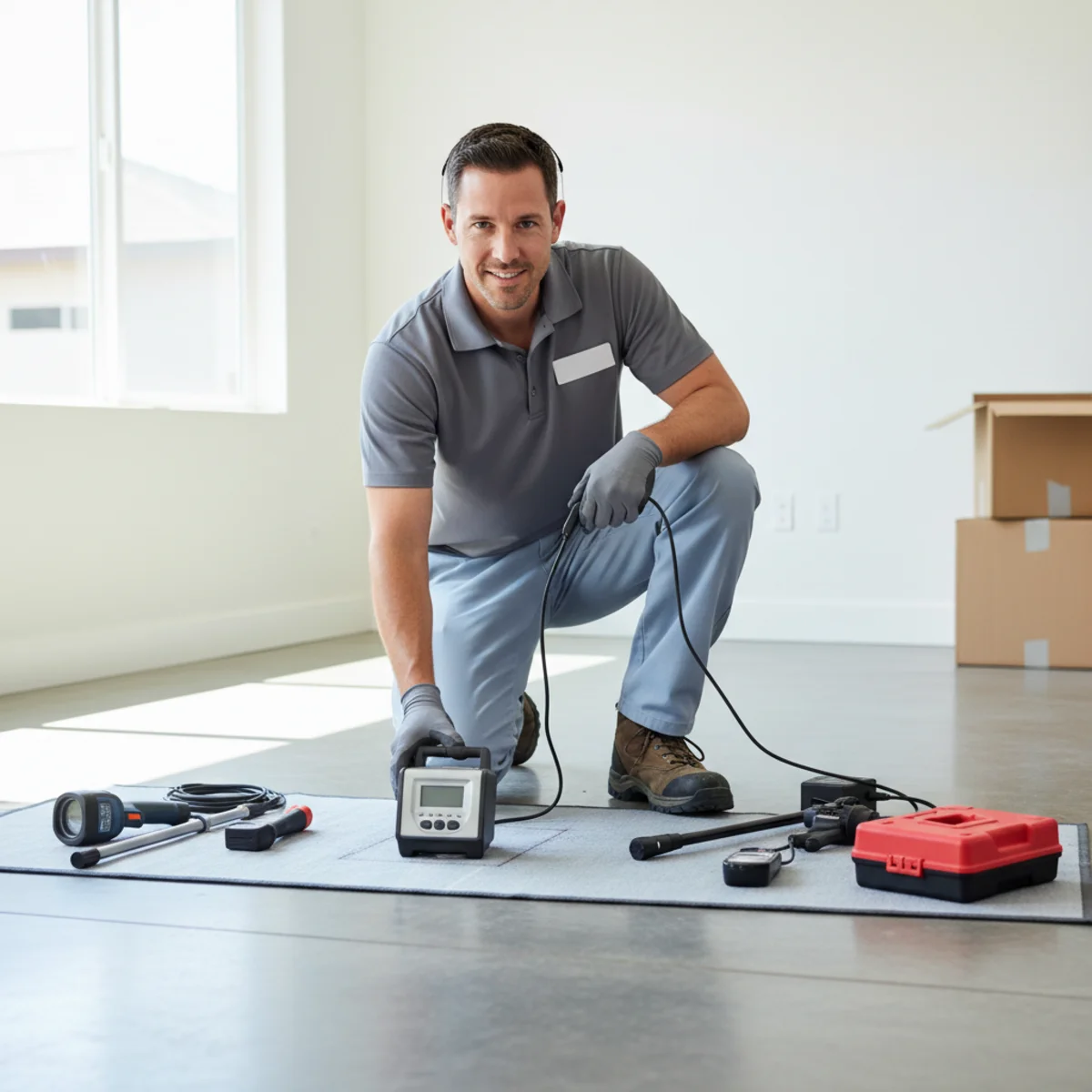
Experienced inspectors use several methods to detect hidden leaks. Pressure testing involves isolating sections of the supply system and monitoring whether pressure holds; a pressure drop over time indicates a leak somewhere in that section. Moisture meters and thermal imaging cameras can identify wet spots inside walls or under flooring without any demolition.
In Moreno Valley's slab-on-grade homes — which represent a large share of the housing stock — leak detection takes on particular importance because supply and drain lines often run through or under the concrete slab. Slab leaks can go undetected for extended periods, causing significant damage to the foundation and flooring. If your water bill has increased without explanation, or if you notice warm spots on your floor, ask that leak detection be prioritized during the inspection.
Understanding Your Plumbing Inspection Report
After the inspection, you will receive a written report documenting everything the plumber observed. Good reports distinguish between three categories: items that require immediate attention (active leaks, failed shut-offs, code violations), items that should be addressed within the next one to two years (aging equipment, scaling, partial valve failures), and items to monitor (minor cosmetic issues, equipment approaching the end of expected lifespan).
Do not be alarmed if the report identifies multiple items — that is the point of the inspection. Use the report as a planning document, not a cause for panic. Prioritize the immediate items, budget for the short-term items, and note the monitoring items for your next inspection. A plumber who conducted the inspection can walk you through the findings and explain what the practical implications are for your specific home and situation.
Local tip: Keep your inspection report on file, along with all invoices for subsequent repairs. This documentation trail is valuable for insurance purposes and can be shared with buyers if you sell the home.
Next Steps After the Inspection
Once you have your report, discuss priorities with your plumber. Some items — like a failed pressure regulator or an active slow leak — should be addressed immediately. Others can be scheduled over the next several months as budget allows. A good plumbing company will provide repair estimates for each item so you can make informed decisions.
Moreno Valley Plumbing Pros provides thorough plumbing inspections and follows up with clear, written repair recommendations. We work throughout Moreno Valley and the surrounding Riverside County area. Call (207) 419-2600 to schedule your inspection or to get a same-day service appointment for any immediate plumbing needs.
Need a plumber in Moreno Valley?
We're a local team ready to help with fast, reliable plumbing and upfront pricing. Call (207) 419-2600 or request service online.
Local plumbing help: Plumbing in Moreno Valley.