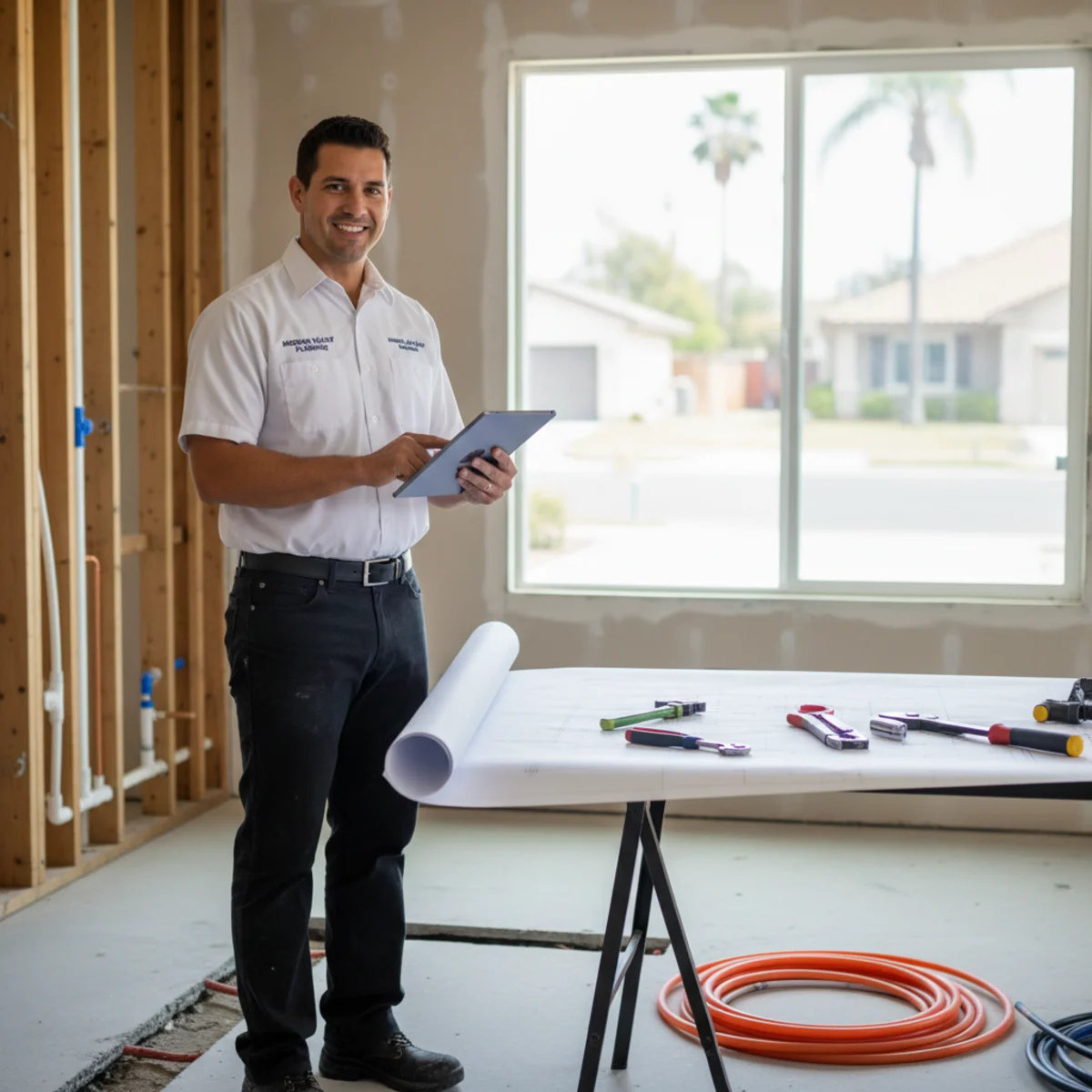
Mobile homes across Moreno Valley — from established parks near Heacock Street to communities along Box Springs Road — offer affordable housing but come with a distinct set of plumbing challenges. The plumbing systems in manufactured and mobile homes were often built to different standards than site-built houses, using materials and configurations that require specialized knowledge to service correctly. When a problem arises, calling a plumber who understands mobile home construction is essential.
Some of the most common calls we receive from mobile home residents involve issues that are unique to this type of housing: belly pipe sags, aging polybutylene or galvanized lines, undersized water heaters, and pressure regulator failures. Many of these problems worsen gradually and quietly, which is why it pays to know the warning signs early. If you are dealing with any of the issues described below, call Moreno Valley Plumbing Pros at (207) 419-2600 — we are familiar with mobile home plumbing and can provide same-day service when available.
How Mobile Home Plumbing Differs from Site-Built Homes
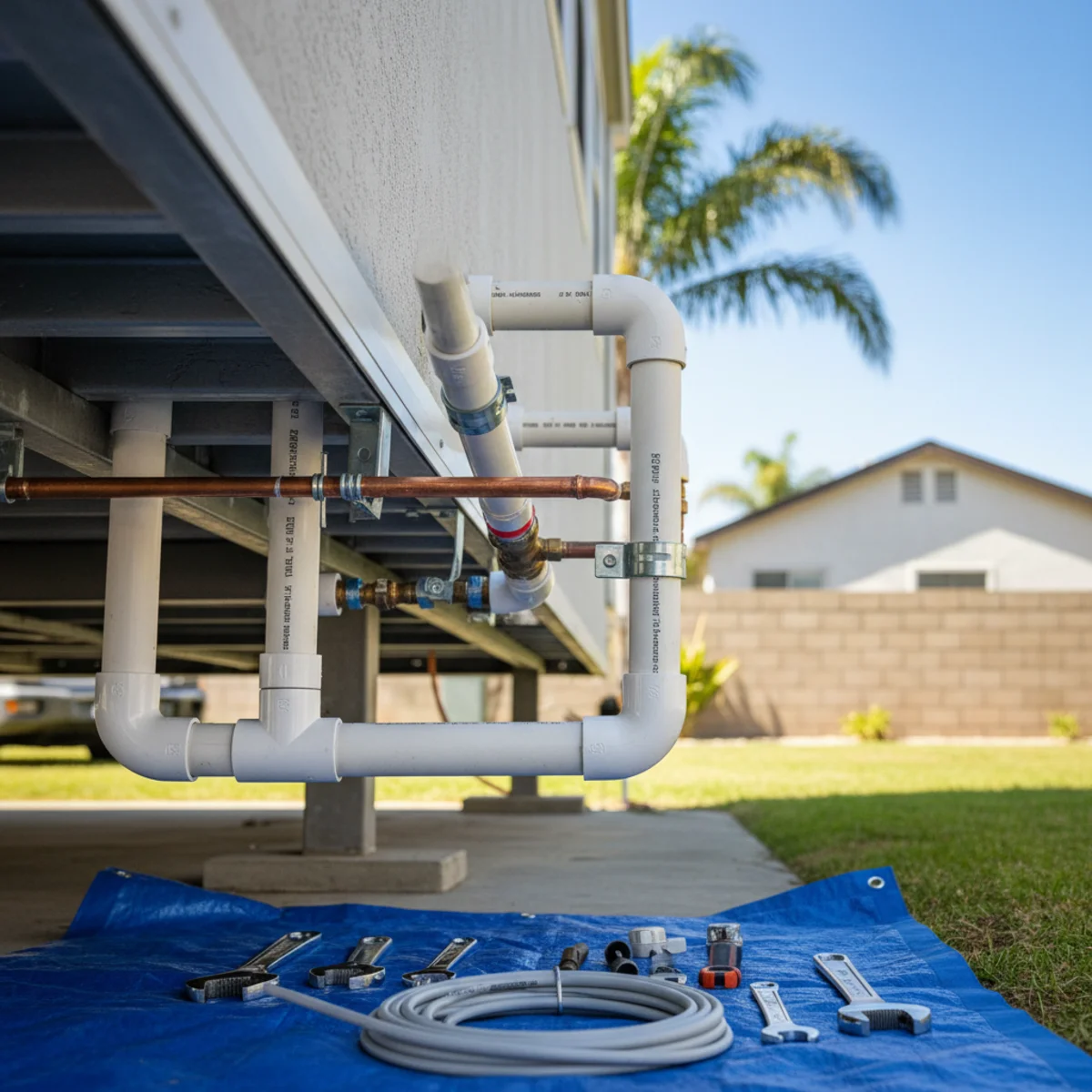
Mobile and manufactured homes use a belly board system — a plastic or vinyl wrap that covers the underside of the home and protects the plumbing from the elements. All the supply and drain lines run through this belly, suspended or resting on insulation. This configuration means that leaks can go undetected for a long time, collecting inside the belly rather than immediately appearing on a floor or ceiling.
Mobile home supply lines are often smaller in diameter than those in site-built homes, which can contribute to lower water pressure throughout the home. Drain lines also run at shallow angles in a confined space, making them more susceptible to sagging over time. Understanding this layout is critical for any plumber working on a mobile home.
Belly Pipe Sagging and Hidden Leaks
One of the most problematic issues in aging mobile homes is a sagging belly — the underside insulation and protective wrap sag downward, pulling drain pipes out of their proper slope. When drain pipes lose their slope, water and waste stop flowing freely and begin to pool. This leads to slow drains, gurgling, and eventual blockages. In severe cases, the belly wrap fills with standing water, accelerating pipe deterioration.
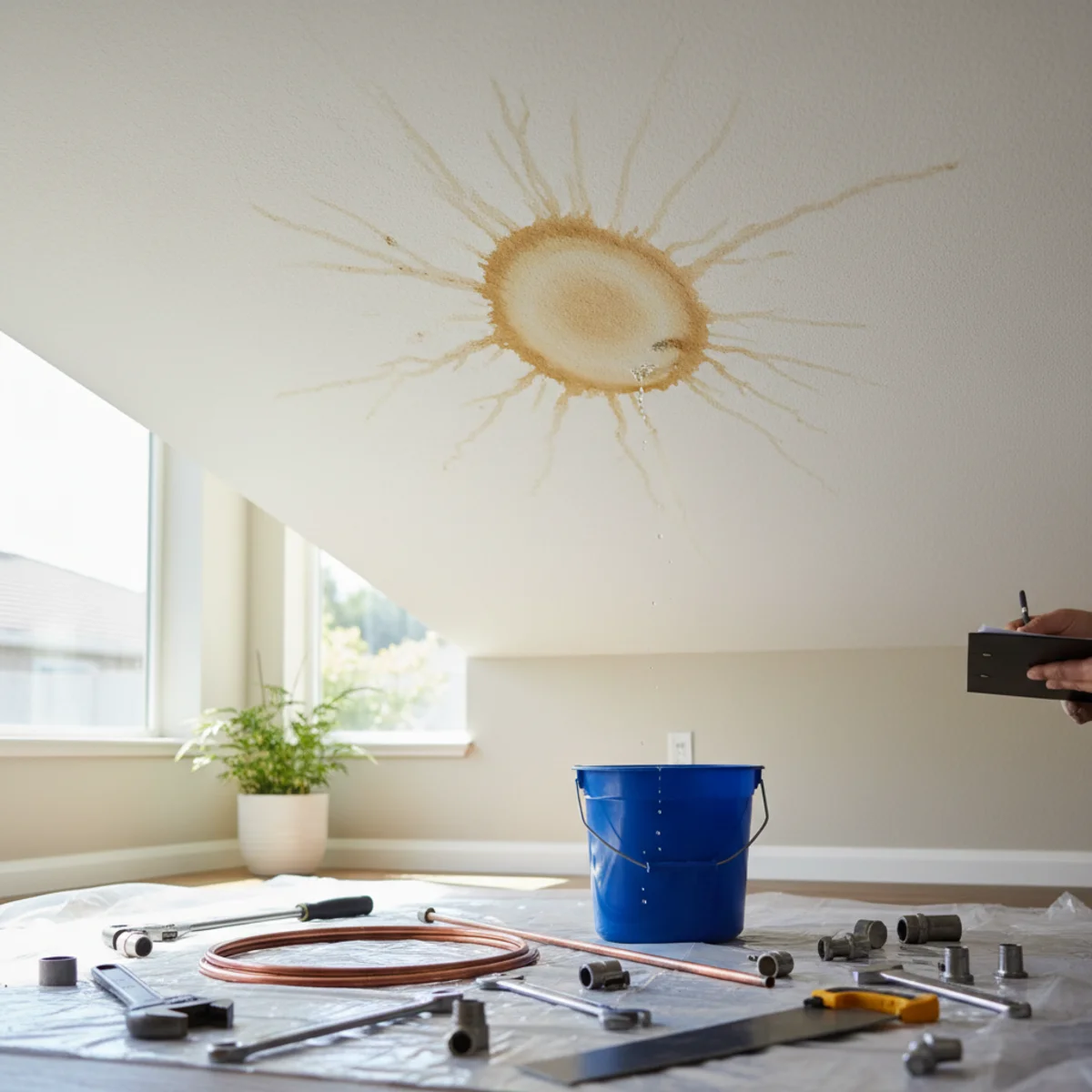
Hidden leaks within the belly are equally common. A small supply line pinhole can drip slowly for months before you notice a damp smell, soft floor section, or spike in your water bill. If your floors feel soft or spongy, or if you notice persistent musty odors, have the underside of your home inspected promptly. Our leak detection service can identify these problems without unnecessary tear-out.
Local tip: Check your water meter before and after a 30-minute period when no water is in use. If the meter moves, you likely have a leak somewhere in your system — even if you cannot see it.
Aging Plastic Pipes: Polybutylene and Beyond
Many mobile homes built between the 1970s and late 1990s were plumbed with polybutylene pipe — a gray plastic material that was inexpensive and easy to install but has a well-documented tendency to degrade and fail with age. Polybutylene reacts to the chlorine in municipal water supplies, becoming brittle and prone to cracking, often at fittings and connectors. If your home still has polybutylene supply lines, replacement is strongly recommended.
Older homes may also have galvanized steel supply lines, which rust from the inside out. The rust narrows the pipe interior, restricting water flow and discoloring tap water. If you are seeing brown or orange-tinted water, especially first thing in the morning, galvanized pipes are a likely culprit. Repiping with modern cross-linked polyethylene (PEX) is the long-term solution and is well-suited to the mobile home environment.
- Gray plastic supply lines are likely polybutylene — have them evaluated
- Brownish tap water often means corroding galvanized pipes
- PEX pipe is flexible, freeze-resistant, and ideal for mobile home installation
- Repiping a mobile home is typically less expensive than repiping a site-built house
Water Heater Challenges in Mobile Homes
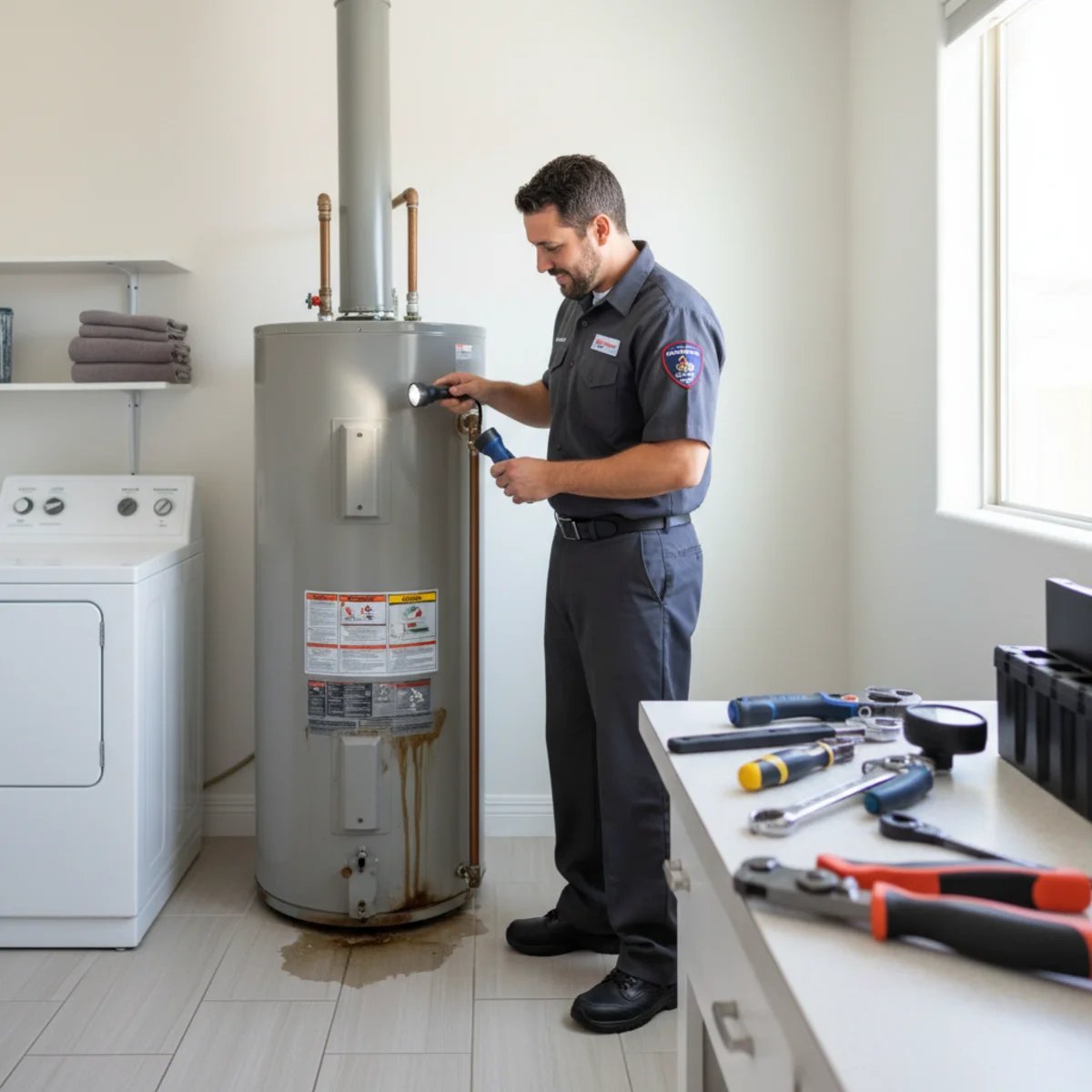
Mobile home water heaters are purpose-built units that are physically smaller than standard residential water heaters. They must be HUD-certified for manufactured home installation. A standard residential water heater should not be installed in a mobile home, as it may not meet safety clearance requirements and could void your home's certification.
The smaller tank capacity means hot water runs out faster, which can be frustrating for larger households. Hot dry Moreno Valley summers actually ease the demand slightly, but winter nights — which can drop into the 30s in the Inland Valley — mean the heater works harder. Sediment buildup from hard water compounds the issue by reducing efficiency and shortening the heater's lifespan. Annual flushing of your water heater tank can extend its useful life considerably.
Low Water Pressure in Mobile Homes
Low water pressure is one of the most frequent complaints from mobile home residents. The causes range from a failing pressure regulator at the park's water connection, to scale buildup inside aging pipes, to shared supply lines that cannot handle simultaneous demand from multiple fixtures. In mobile home parks, pressure fluctuations from the park's main system are also common.
A licensed plumber can test pressure at multiple points in your home to identify where the loss is occurring. Sometimes the fix is as simple as adjusting or replacing the pressure regulator. Other times, scaling inside old galvanized or polybutylene lines is so severe that the only effective remedy is pipe replacement.
Getting the Right Repairs for Your Mobile Home
Not every plumber has experience with mobile home plumbing, and sending a technician who is unfamiliar with the belly board system, HUD-certified appliance requirements, and mobile-home-specific fittings can lead to improper repairs that create bigger problems down the road. When calling for service, let the dispatcher know you have a mobile or manufactured home so the right technician and parts are dispatched.
Moreno Valley Plumbing Pros is licensed and insured and has experience with mobile home plumbing throughout Moreno Valley and Riverside County. Whether you need a water heater swap, a pipe repair, or a full assessment of your home's plumbing condition, we can help. Call (207) 419-2600 for same-day service when available.
Need a plumber in Moreno Valley?
We're a local team ready to help with fast, reliable plumbing and upfront pricing. Call (207) 419-2600 or request service online.
Local plumbing help: Plumbing in Moreno Valley.