Your sewer line is the single pipe responsible for carrying all wastewater from your home to the city sewer main. It handles output from every toilet, sink, shower, and appliance in the house — and it does so silently, underground, and completely out of sight. Because it is invisible, many homeowners never think about it until something goes very wrong. By the time a full sewage backup occurs, the sewer line problem has typically been developing for months.
In Moreno Valley, older neighborhoods like Sunnymead and Edgemont have sewer laterals that were installed 40 to 60 years ago in clay or cast iron — materials that degrade over time and are vulnerable to root intrusion and ground shifting. Knowing the warning signs of a failing sewer line can save you from a full backup and the significant cost of emergency repair. If you are seeing any of the symptoms below, call Moreno Valley Plumbing Pros at (207) 419-2600 — we can run a sewer camera to assess the situation before it becomes a crisis.
Multiple Slow Drains Happening at the Same Time
A single slow drain is usually a localized clog — hair in the bathroom drain, grease buildup at the kitchen sink. But when two or more drains in different parts of your home are slow at the same time, the problem is almost certainly downstream in the main sewer line rather than in individual fixture branches. The main line is the common point that all branch drains connect to, so a blockage there affects everything above it.
Pay particular attention to your lowest drains. If the shower on the ground floor is slow while the upstairs bathroom is fine, that is different from all drains being sluggish simultaneously. True main line problems tend to be consistent across all fixtures on the lower levels of the home.
Sewage Odors Inside or Outside Your Home
A properly functioning sewer line is airtight. If you are smelling sewage inside your home — particularly in bathrooms, near floor drains, or in the laundry room — sewer gas is escaping from somewhere in the system. This can indicate a cracked pipe allowing gas to seep through a wall or slab, a dried-out P-trap that no longer holds its water seal, or a vent stack issue.
Sewage odors outside the home, particularly in the yard above where the sewer lateral runs, are a more serious indicator. They often mean the pipe has cracked or collapsed at that point and sewage is leaching into the surrounding soil. A camera inspection will confirm the location and severity.
Local tip: If you have a floor drain in a garage or utility room that is rarely used, the P-trap may have dried out and is allowing sewer gas to enter. Pour about a quart of water down the drain to restore the water seal. If the odor persists, call a plumber.
Gurgling Sounds from Fixtures
Gurgling from a toilet, sink, or shower drain — especially when another fixture nearby is in use — is a reliable sign of a drainage or venting problem. When water drains through a partially blocked pipe, air that would normally escape through the vent stack instead gets pulled through the nearest available fixture, creating the characteristic gurgling sound.
A toilet that gurgles when you flush the kitchen sink, or a shower drain that makes noise when the toilet flushes, is telling you that the main drain line or a shared vent is obstructed. This is one of the earlier-stage warning signs — the kind you want to act on before the obstruction becomes a complete blockage.
Wet or Unusually Green Patches in Your Yard
The sewer lateral runs underground from your house to the city main, typically under the front yard. If you notice an area of yard that is inexplicably lush and green when surrounding areas are dry — common in Moreno Valley's arid climate — or if you find soft, wet ground above the pipe path without recent rain, the sewer line may be leaking at that location.
Sewage is a natural fertilizer, which is why a leaking sewer lateral often produces a suspiciously healthy patch of lawn directly above the pipe. Some homeowners interpret this as a irrigation system anomaly before eventually discovering the true source. If the wet or green patch does not correlate with irrigation or recent rain, have the sewer line investigated.
Recurring Sewage Backups in the Home
A sewage backup that happens once might be caused by a simple localized clog that a drain snake can clear. But if backups are recurring — happening multiple times per year, or returning within weeks of being cleared — the underlying problem is structural rather than a simple accumulation of debris. Root intrusion is a common culprit in older Moreno Valley neighborhoods: tree roots find microscopic cracks in clay pipe joints and gradually expand them into channels that trap waste on every pass.
Recurring backups that are handled repeatedly with snaking or chemical treatment without ever fully resolving the problem are a strong indication that a camera inspection and likely a more permanent repair is needed. Trenchless pipe lining can create a new seamless interior that eliminates root intrusion points without requiring excavation.
Foundation Cracks or Ground Shifting Near the Sewer Path
This is a less common but important sign: if your sewer lateral develops a significant leak over time, the saturated soil beneath your home or yard can shift. This ground movement can manifest as new cracks in your foundation, doors and windows that no longer close properly, or visible depressions in the yard above the pipe path. While not every foundation crack is plumbing-related, the combination of foundation movement and any of the other signs on this list warrants prompt investigation.
In Moreno Valley's clay-heavy soils, ground movement is not uncommon — but a plumbing-related cause should be ruled out whenever new foundation cracking appears, particularly if it develops near the sewer lateral path.
What to Do When You See These Warning Signs
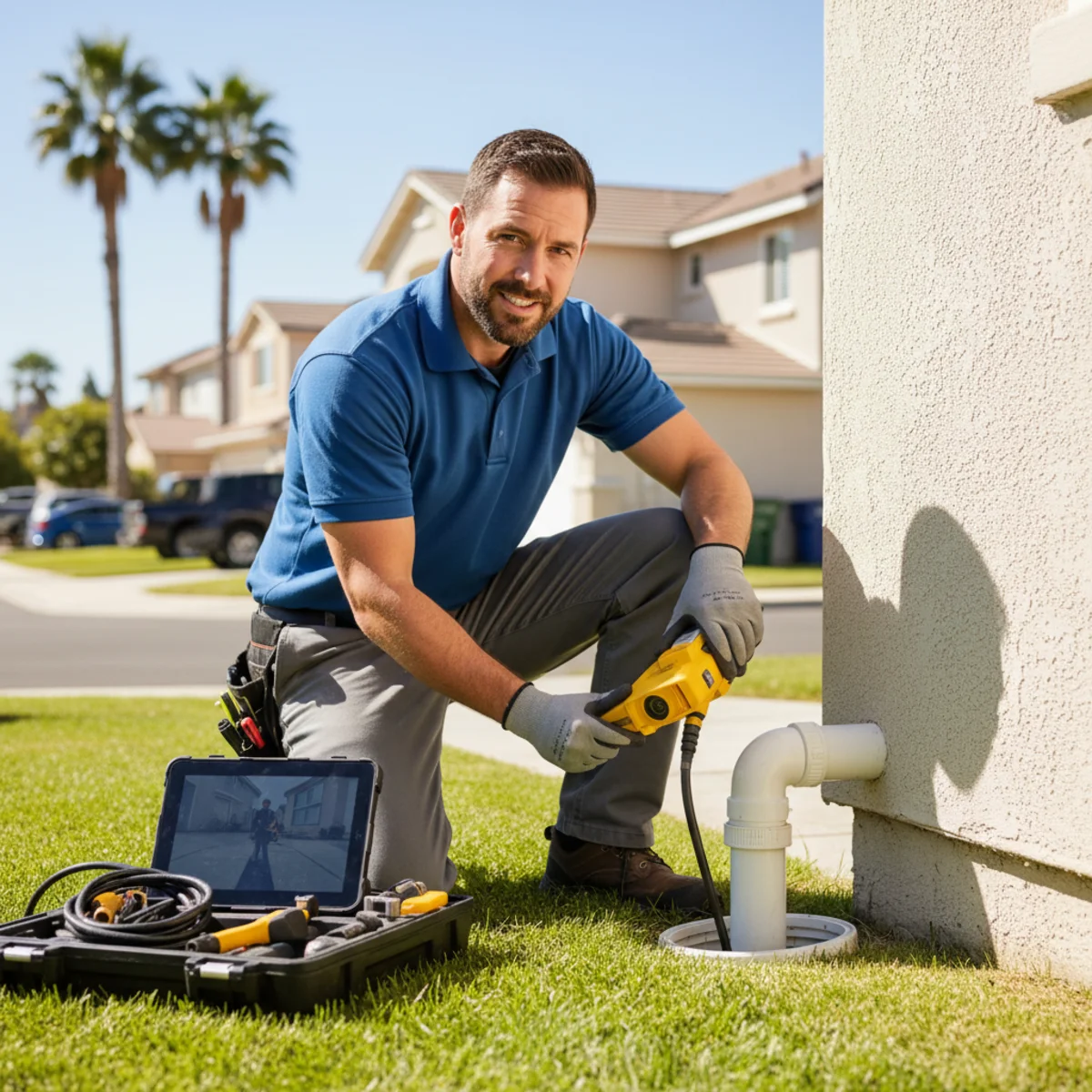
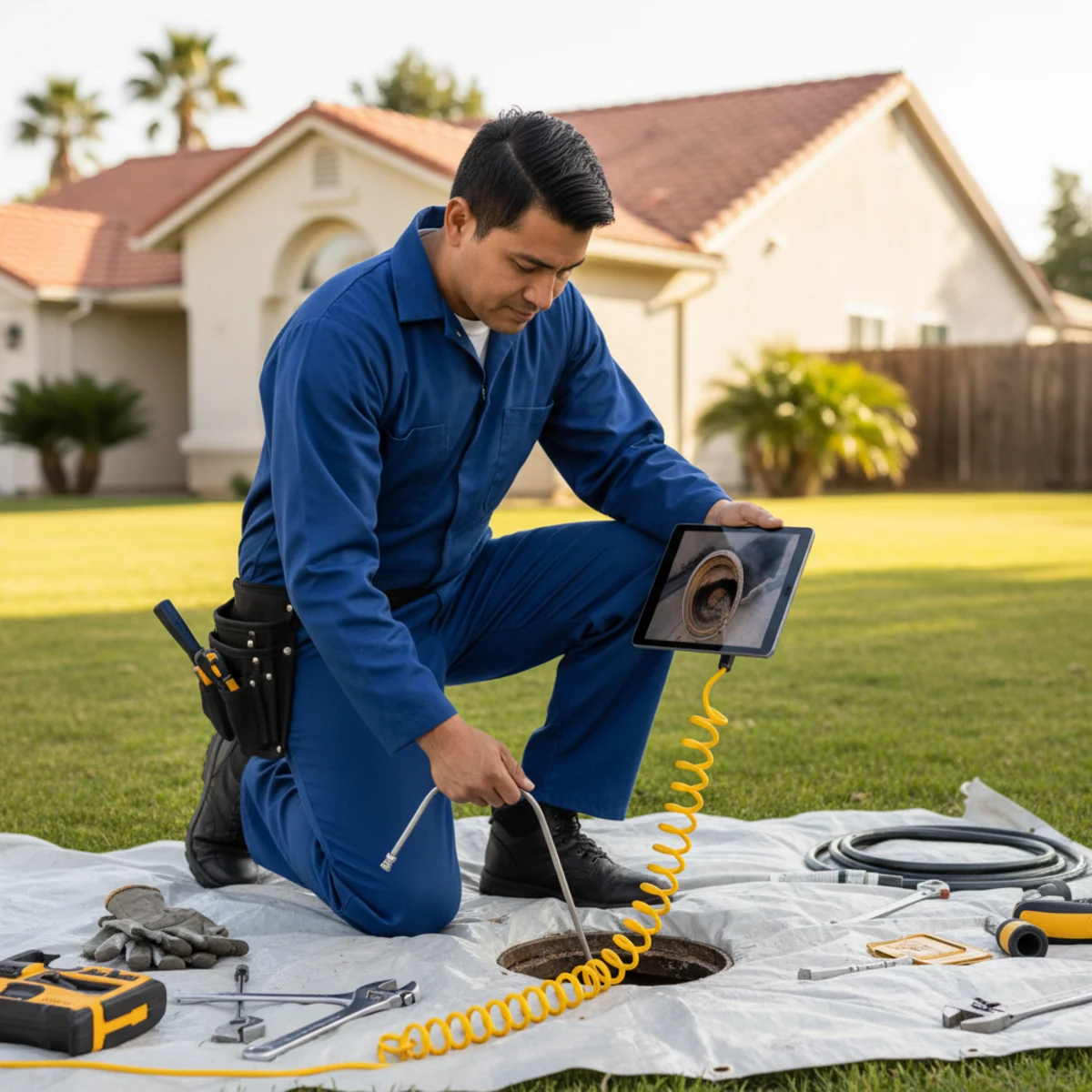
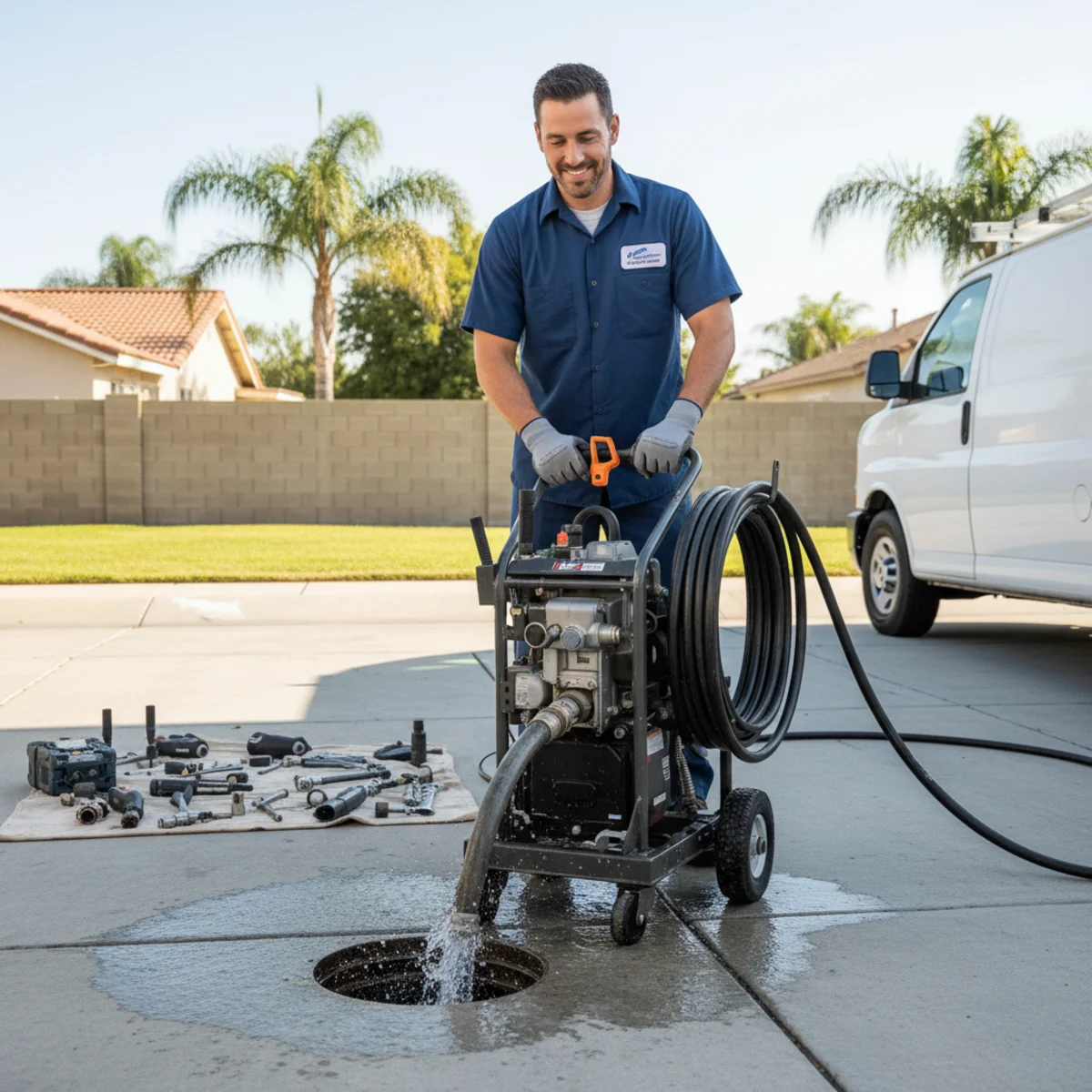
Do not wait for a full backup to take action. A sewer camera inspection is a non-invasive, cost-effective way to see exactly what is happening inside your line and determine the best repair approach. If the camera reveals a partially blocked line with root intrusion, hydro-jetting can clear it and a pipe liner can prevent recurrence. If a section of pipe has collapsed, spot repair or trenchless replacement can address it with minimal excavation.
The longer you wait, the worse sewer line problems become. Root systems grow, cracks widen, and sediment accumulates. Call Moreno Valley Plumbing Pros at (207) 419-2600 for a sewer camera inspection and same-day service when available. Catching a sewer problem early keeps repair costs manageable.
Need a plumber in Moreno Valley?
We're a local team ready to help with fast, reliable plumbing and upfront pricing. Call (207) 419-2600 or request service online.
Local plumbing help: Plumbing in Moreno Valley.