A bad smell rising from a drain is one of the most unpleasant everyday plumbing problems — and one of the most common calls we receive from homeowners across Moreno Valley. The smell can range from a musty, earthy odor to a sharp, unmistakable sewage smell. The cause determines the fix, and not every smelly drain is a sign of a serious problem — but some are. Knowing the difference saves you time, money, and unnecessary anxiety.
In Moreno Valley's warm climate, organic material inside drain pipes breaks down quickly and biofilm grows faster than it does in cooler regions. Drain odors during hot summer months are especially common. But if the smell persists even after basic cleaning, or if it has the sharp character of sewer gas, a plumber should assess the system. Call Moreno Valley Plumbing Pros at (207) 419-2600 if you need professional drain assessment or service.
Biofilm and Organic Buildup: The Most Common Cause
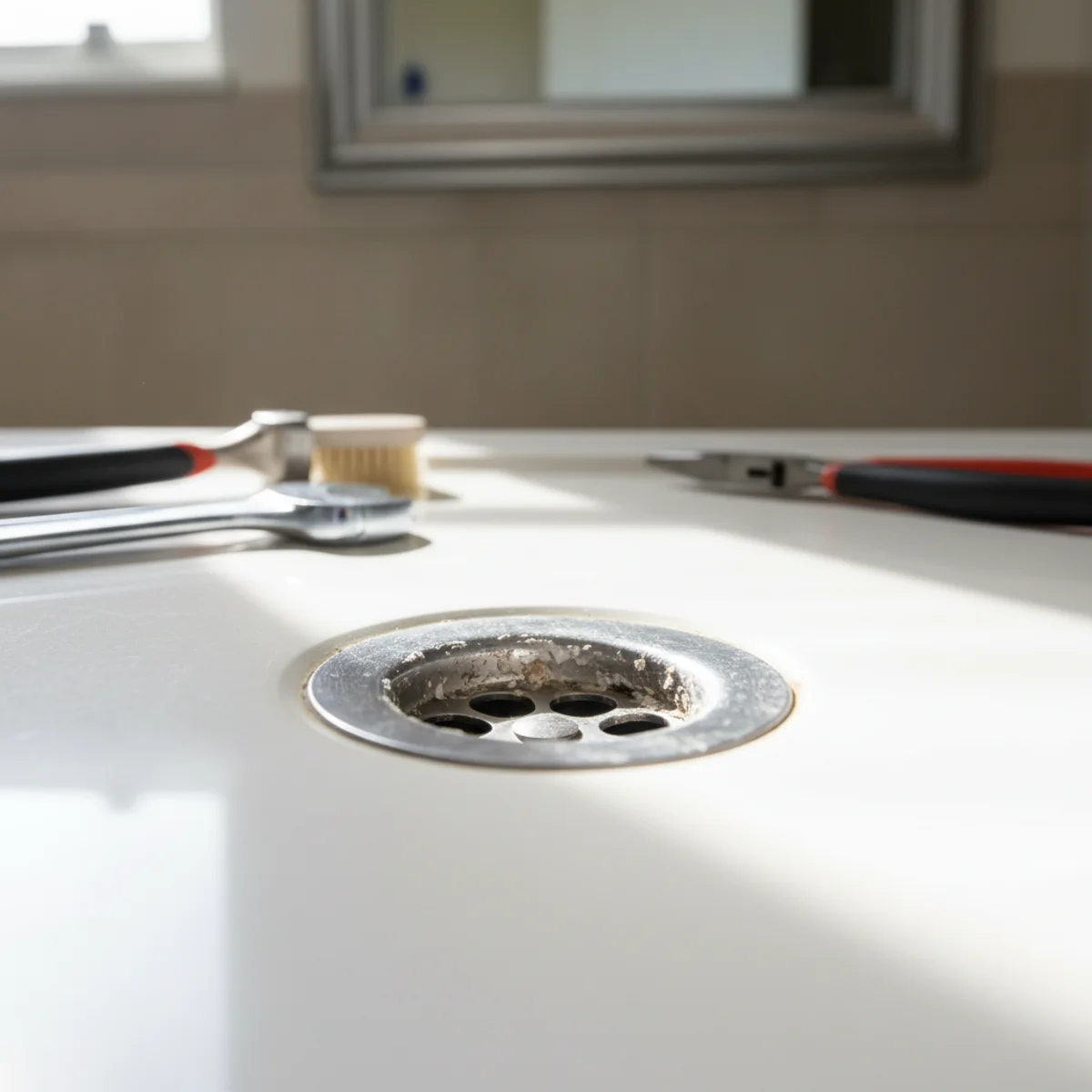
The most frequent cause of drain odors — particularly in bathroom sinks and showers — is biofilm: a slimy accumulation of bacteria, soap residue, body oils, and hair that adheres to the interior walls of drain pipes and the drain cover itself. As the biofilm grows and decomposes, it releases sulfur compounds that produce that characteristic musty, rotten smell.
In bathroom sinks, biofilm typically accumulates around the pop-up stopper and in the first few inches of the drain pipe. It is often visible as a dark, slimy coating. Kitchen sink biofilm builds up from food particles, grease, and dish soap, creating a food-and-bacteria smell that intensifies in Moreno Valley's summer heat. The fix for biofilm is physical removal combined with a cleaning treatment — more on that in the DIY section below.
Dry P-Traps Let Sewer Gas In
Every drain in your home connects to a P-trap — the curved section of pipe that holds a small amount of water. This water acts as a physical barrier, blocking sewer gas from traveling back up through the drain and into your home. When a drain is not used regularly, that water evaporates, and the barrier disappears. The result is a direct pathway for sewer gas into your living space.
This is especially common in guest bathrooms, basement floor drains, utility sinks, and vacation properties. In Moreno Valley's dry climate, P-traps in rarely-used fixtures can evaporate in a few weeks during summer. The fix is simple: run water in every fixture in your home for about 30 seconds every two to three weeks to keep P-traps charged. If the smell returns despite doing this, there may be a different underlying issue.
Local tip: If you have a floor drain in a garage or laundry room that smells and has not been used in months, pour two cups of water mixed with a small amount of cooking oil down the drain. The oil floats on the water and slows evaporation, extending the time before the P-trap dries out again.
Blocked Vent Stacks Cause Pressure Problems and Odors
Your plumbing system has a vent stack — a pipe that runs from your drain system up through the roof, allowing air to equalize pressure as water moves through the system. When this vent is blocked — by bird nests, debris, or leaves — negative pressure builds up inside the drain pipes. This negative pressure can siphon water out of P-traps, removing their sewer-gas barrier, and can cause gurgling sounds at fixtures.
A blocked vent stack often reveals itself through a combination of gurgling drains and widespread sewer odors throughout the home, rather than just at one fixture. Clearing a blocked vent typically requires accessing the roof, which is a job for a professional plumber with the right equipment and safety protocols.
Sewer Gas and Sewer Line Problems
If you are smelling a sharp, sulfurous odor that is particularly pronounced and not isolated to one drain, sewer gas may be entering your home from a crack in a sewer pipe, a failed wax ring at the toilet base, or a compromised drain connection. Sewer gas is not just unpleasant — it contains methane and hydrogen sulfide, both of which are hazardous in concentrated amounts.
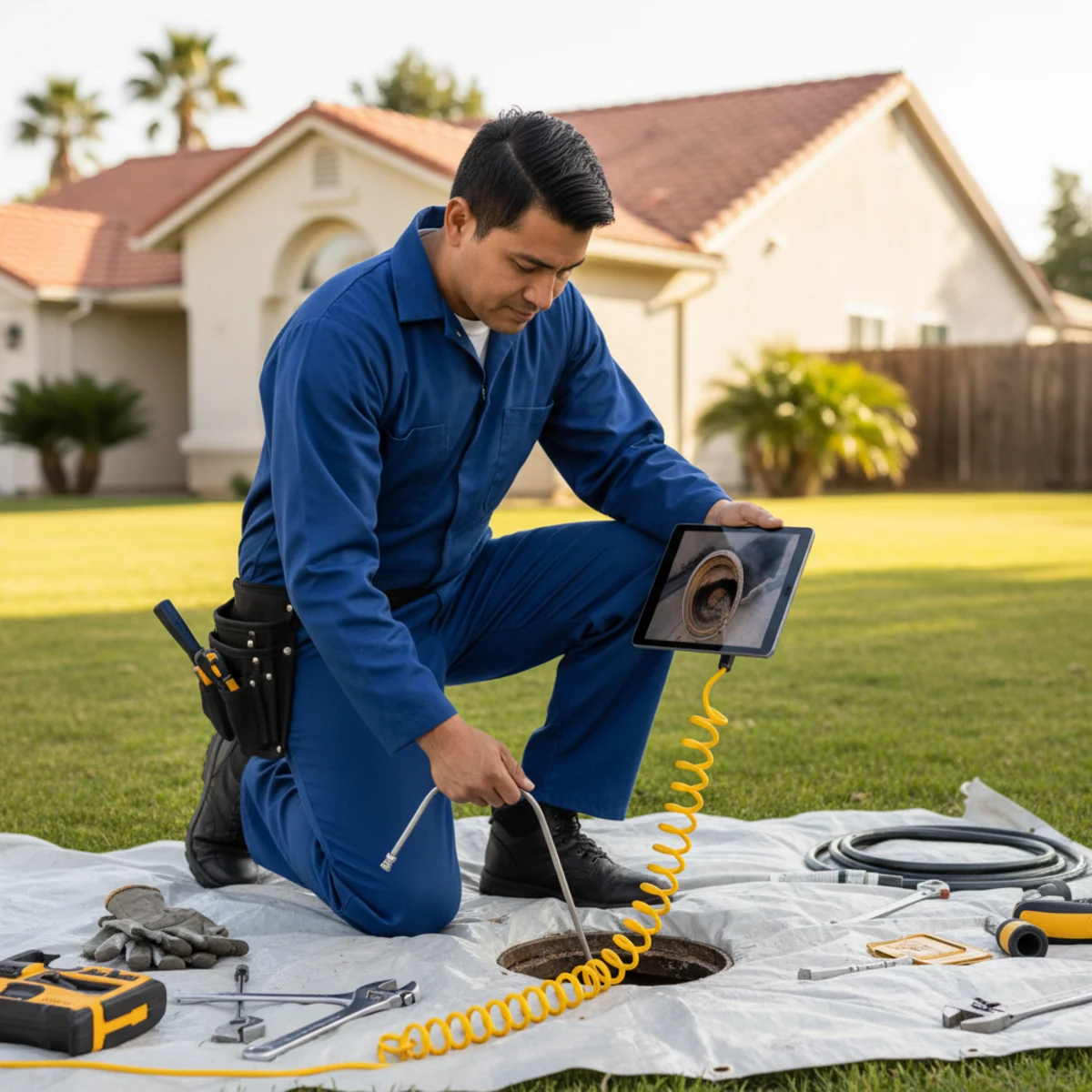
A cracked sewer lateral can allow sewer gas to seep through a wall or slab in Moreno Valley's slab-on-grade homes. If the smell seems to come from the floor or from a toilet base rather than from a drain opening, have a plumber inspect the sewer connections and the condition of the sewer lateral. A sewer camera inspection is the definitive diagnostic tool for this situation.
Garbage Disposal Odors Are Their Own Category
A garbage disposal that smells is almost always the result of food residue on the splash guard, inside the grinding chamber, and on the walls of the drain pipe just below the unit. The splash guard — the rubber flap inside the drain opening — is a frequent accumulator of mold and food grime and is often overlooked during cleaning.
To clean a disposal, run cold water and feed in ice cubes with a handful of coarse salt. Follow that with a few citrus peels (lemon or orange work well) to neutralize odors. Lift and clean the underside of the splash guard with a scrub brush and dish soap. If odors persist despite this, the disposal itself may need to be serviced or replaced.
DIY Drain Odor Fixes That Actually Work
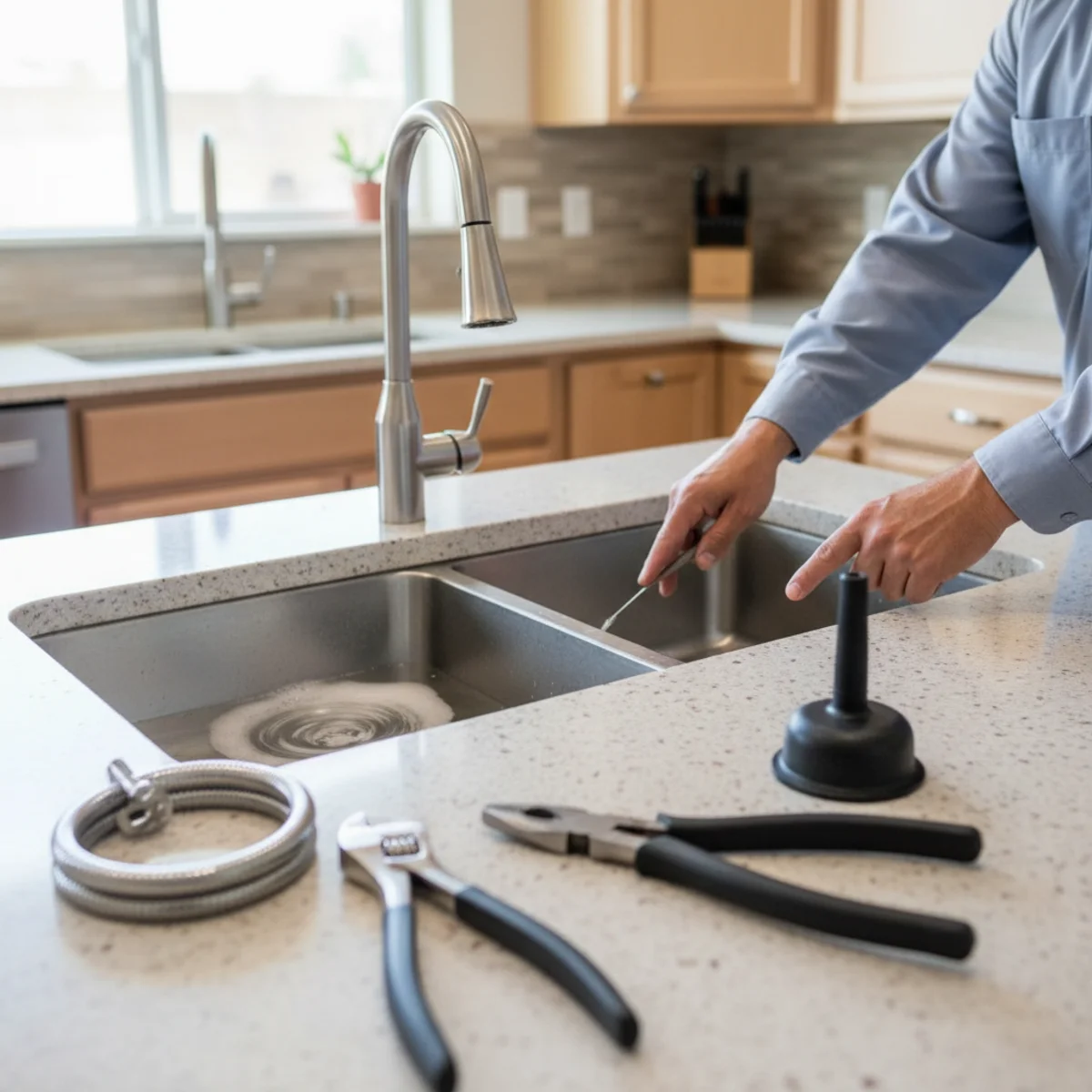
For biofilm-related odors in bathroom sinks and showers, start by removing and cleaning the drain cover and pop-up stopper. A long, flexible brush or a zip-it drain tool can pull out the hair and biofilm clumps from the first few inches of the pipe. Follow with a treatment of baking soda (half a cup) poured down the drain, followed by a cup of white vinegar. The fizzing reaction helps loosen remaining buildup. Flush with hot (not boiling) water after five minutes.
Avoid using commercial chemical drain cleaners regularly — they can damage drain pipes and are hard on P-trap seals. For persistent kitchen sink odors, clean the disposal splash guard, flush the drain with hot water and dish soap, and consider a monthly enzymatic drain treatment, which uses bacteria to break down organic material without damaging pipes. If none of these steps resolve the smell within a few days, call a plumber to rule out a vent or sewer issue.
- Remove and physically clean drain covers and pop-up stoppers
- Use baking soda and vinegar for a safe, effective drain flush
- Keep P-traps charged by running unused fixtures every two to three weeks
- Clean garbage disposal splash guards and grinding chambers regularly
- Call a plumber if the smell has the sharp character of sewer gas or does not resolve with cleaning
Need a plumber in Moreno Valley?
We're a local team ready to help with fast, reliable plumbing and upfront pricing. Call (207) 419-2600 or request service online.
Local plumbing help: Plumbing in Moreno Valley.